Ceramic Coating cost · reviewed July 2026
Ceramic Coating Cost (2026): Real Prices by Tier and Car
A pro ceramic coating runs about $1,200–$2,800 for most cars in 2026. See what your car and tier cost, what paint correction adds, and if DIY is worth it.
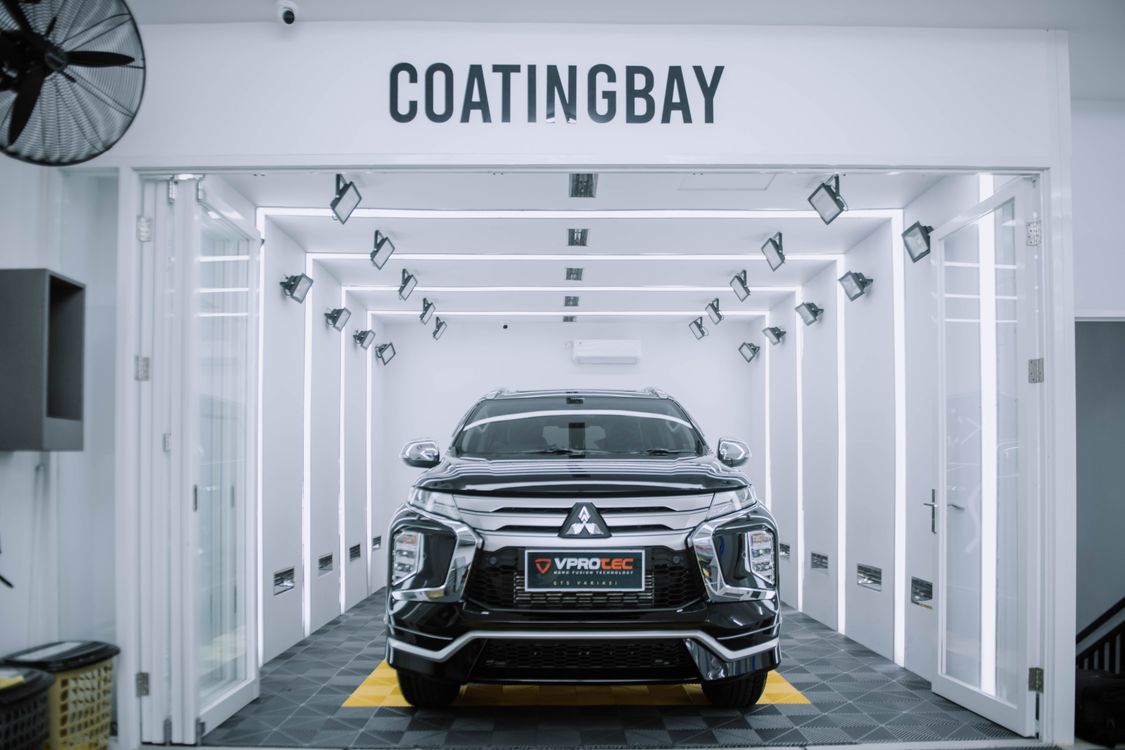
Jump to the calculatorA proper ceramic coating job happens in a controlled bay, not a driveway, dust and moisture both ruin the cure. Photo: Pexels.
Estimate your ceramic coating cost
Pick your vehicle and tier. The estimate updates as you go. No email, no quote form.
Estimated ceramic coating cost
– –
Most pay around – for a multi-year coating.
How this estimate is built
Pro install, parts + labor. Costs reviewed July 2026. Your real quote will vary by shop and vehicle.
Ceramic coating is the most over-sold service in detailing, which is exactly why a neutral number helps. A coating is a liquid polymer that cures into a hard, slick layer on your paint. It makes the car easier to wash, beads water, and adds depth and UV protection. It does not stop rock chips, that’s paint protection film, a different product at a different price.
For most cars in 2026, a professional multi-year coating runs in the range above. The number you get quoted swings on three things: how big your vehicle is, which tier (how many years) you buy, and whether your paint needs correction first. That last one catches people. A coating seals the paint as-is, so if the finish is full of swirl marks from a tunnel wash, those swirls get locked under the coating. Correcting them is separate labor, one to several hours of machine polishing depending on condition, and it’s usually the biggest line on the invoice.
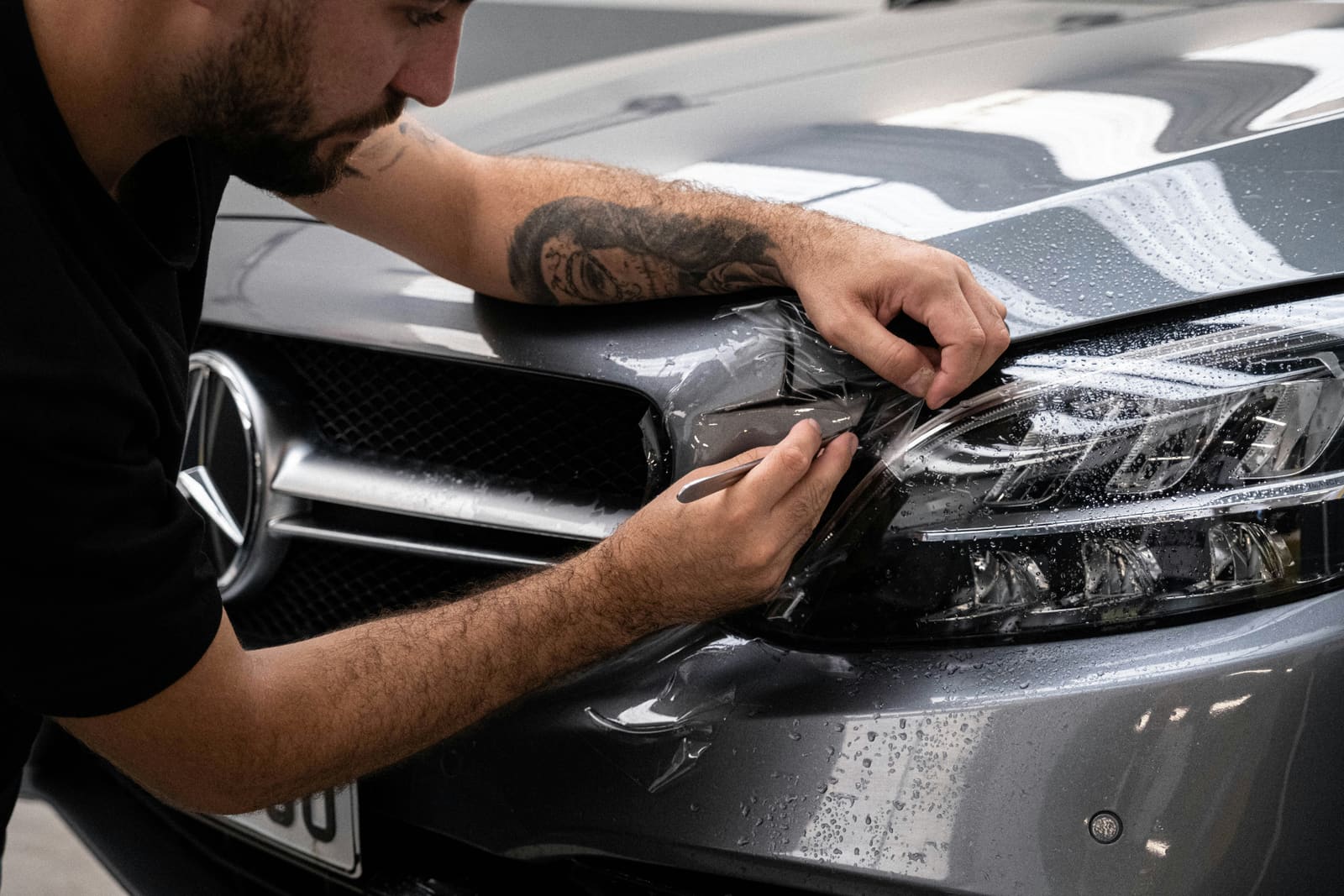
The cheap end of the market, a “$300 ceramic coating special”, is almost always an entry-level spray coating with no correction, applied fast. It’s not a scam, but it’s a different product than a multi-layer, warrantied install, and it won’t last as long, about a year against 3 to 5 years for a proper multi-year system, sometimes 7 or more on a premium warrantied install. A registered warranty is the tell: an installer who stands behind the coating for years put more into the prep than one selling a same-day special, and that difference is usually invisible until the swirls start coming back through on the cheaper job. Real-world longevity still comes down to how the car gets washed and whether it lives in a garage or sits outside.
SiO2 percentage and hardness, decoded
Coating brochures throw around “9H hardness” and “70% SiO2” like everyone knows what they mean. Here’s the short version: the H-number is a pencil-hardness scale borrowed from the coatings industry, where 9H is close to the top of what a consumer-facing product realistically claims, and it’s a proxy for scratch resistance, not a guarantee against rock chips (that’s still PPF’s job). SiO2, silicon dioxide, is the actual glass-like compound doing the hardening; professional formulas commonly run in the 70%+ SiO2 range at very high purity, while budget DIY bottles are often well under that, sometimes closer to plain sealant with a ceramic label on it. The best professional coatings also phase-separate as they cure into two distinct layers, a softer base that bonds to the paint and a harder top layer that does the scratch- and chemical-resisting, which is part of how a top-tier product earns a rated lifespan pushing toward a decade instead of one or two years. None of this is a reason to distrust a DIY kit outright, a genuine ceramic DIY product on clean, new paint is a real option, just go in knowing “ceramic” on the label doesn’t tell you the SiO2 content, and the honest professional installs are the ones spending real money on ingredients you can’t see in the bottle.
If you want a way to check an installer’s actual credentials rather than trusting a shop sign, the International Detailing Association runs the industry’s only independent certification, a two-phase program covering written exams across paint protection, chemicals, and safety, with a hands-on skills-validated tier above that. It’s not the only sign of a good shop, plenty of excellent installers aren’t IDA-certified, but it’s a real, checkable credential if two quotes look identical on paper and you need a tiebreaker.
Run the calculator above for your vehicle and tier, then use the DIY-vs-pro breakdown to decide whether to buy a kit or book a shop. If your paint is new and clean, a consumer coating is genuinely viable and can hold real protection and gloss for a year or two. If it’s swirled, you’re paying a pro for the correction, and that part is hard to fake at home.
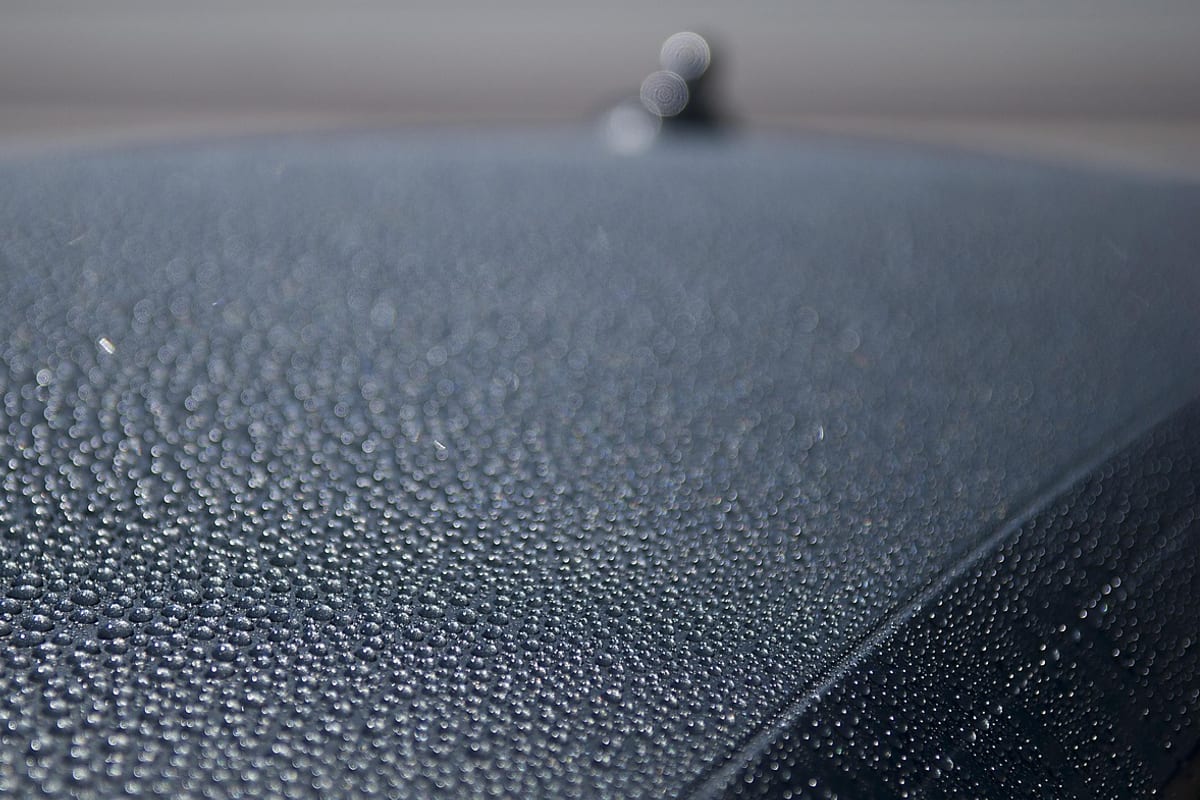
That uniformity is also what a big-metro installer is charging extra for, per panel, more time spent working the applicator into edges and seams instead of racing the clock. It’s part of why the same tier of coating runs 20 to 40% higher in a major city than a small town: the labor is the same length regardless of where the shop sits, but the shop’s costs and expectations aren’t.
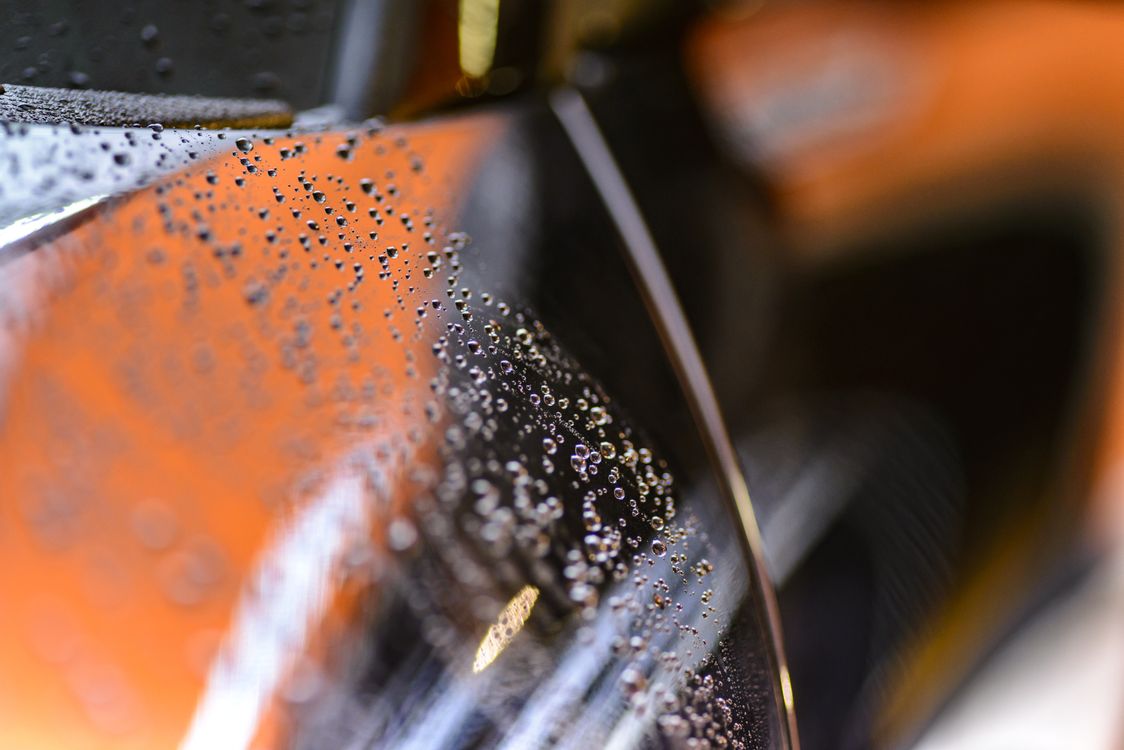
A coating’s shine depends as much on what happened before it went on as the product itself. A real decontamination, clay bar or a chemical iron remover, pulls embedded brake dust and road grime out of the clear coat that a normal wash never touches. Skip that step and a fresh coating can still feel faintly gritty under the gloss, no bottle fixes prep that wasn’t done. A proper full install, wash, decontamination, correction, and cure, commonly runs 15 to 20 hours of shop time before the car goes back out the door, which is most of what separates a $1,500 coating from a $300 one: it’s not the bottle, it’s the hours nobody sees.
What moves the price
| What changes the price | Effect on cost |
|---|---|
| Vehicle size | An SUV or truck has 25–45% more panel area than a sedan, so it costs proportionally more. |
| Coating tier (longevity) | A 1-year coating is a few hundred dollars; a 7-year, warrantied multi-layer is $2,000–$3,500. |
| Paint correction needed | The biggest swing. Older or swirled paint adds $300–$1,200 because it must be corrected first. |
| Installer reputation | A certified installer with a registered warranty charges more than a mobile detailer, and usually should. |
| Your area | Big-metro shops run 20–40% above small-town pricing for the same work. |
DIY or hire a pro?
A DIY ceramic kit costs a fraction of a pro job, but the coating is only as good as the wash, decon, and correction underneath it. If your paint is new and clean, a consumer coating is a real option. If it's swirled, you're really paying for the correction, and that's where a pro earns the money.
- Time
- A full day
- Skill
- Intermediate, the prep is 80% of the result
- Worth it?
- A real option if you've got patience and a clean space.
What you'll need
As an Amazon Associate, Detailing Cost earns from qualifying purchases.
- Done in a controlled shop, not your driveway
- The result you're paying for, with a workmanship warranty
- No wasted product or do-overs if it goes wrong
Get two or three quotes. The cheapest is rarely the one to pick for ceramic coating.
Is ceramic coating worth it?
For a daily driver you plan to keep, a mid-tier coating is worth it, it makes washing easier and holds gloss for years. For a lease you'll return in two years, or a car you'll sell soon, the math is thinner; a good sealant does most of the job for far less.
Worth it if you…
- Plan to keep the car several years
- Hate washing and want water to sheet off
- Have newer paint, or are correcting it anyway
- Park outside and want real UV protection
Skip it if you…
- Are leasing and returning the car soon
- Won't keep up basic maintenance washes
- Expect it to stop rock chips (it won't, that's PPF)