A neutral number, before the shop gives you theirs
Detailing Cost exists for the driver who just got quoted $2,000 for ceramic or $5,000 for PPF and had no way to tell if that was fair.
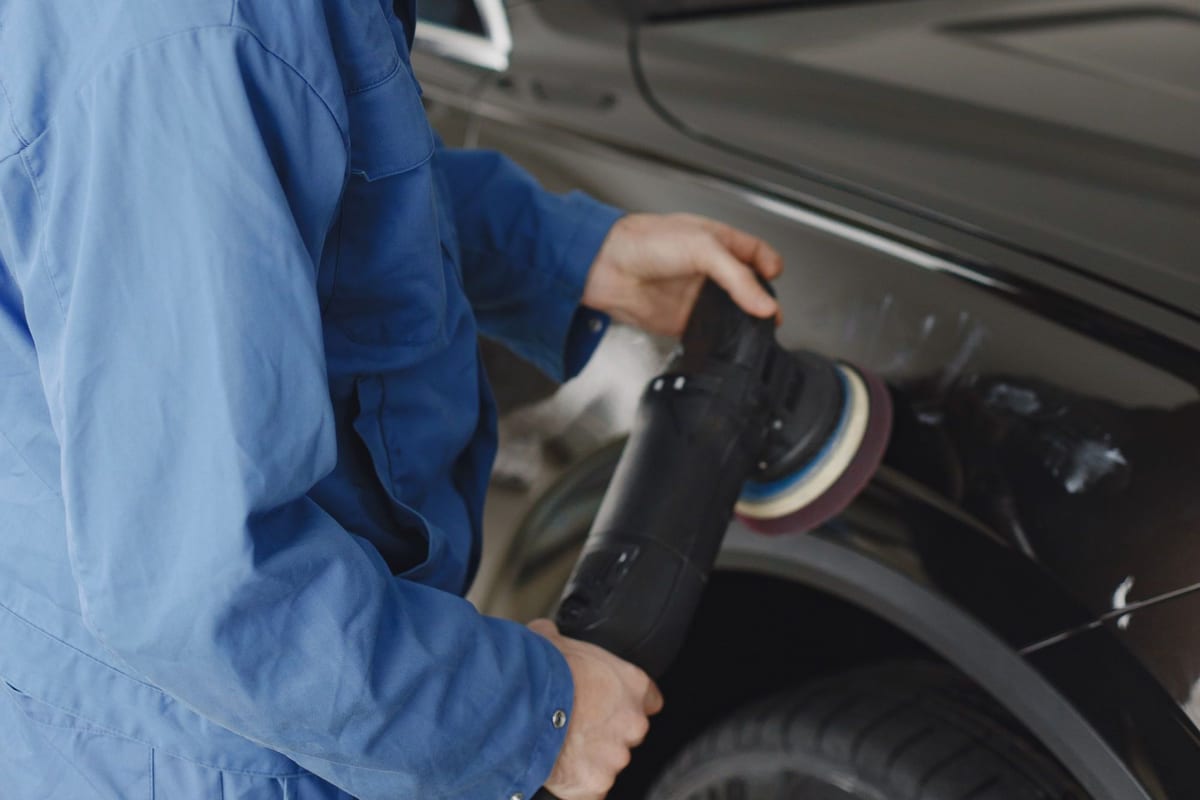
Car protection is a strange corner of the market. The people who tell you what ceramic coating, PPF, tint, or paint correction should cost are almost always the same people selling it to you. The big car sites cover buying and repairs and skip this world entirely. So most drivers walk into a quote with no reference at all.
We built the reference. Every service here has a calculator that takes your vehicle, the tier you're after, and your area, and gives you a realistic range in a few seconds, plus an honest read on whether it's worth it and whether you could do it yourself. We don't install anything, we don't take a cut from any shop, and we're not trying to talk you into the premium package. The number is the product.
What a fair quote actually depends on
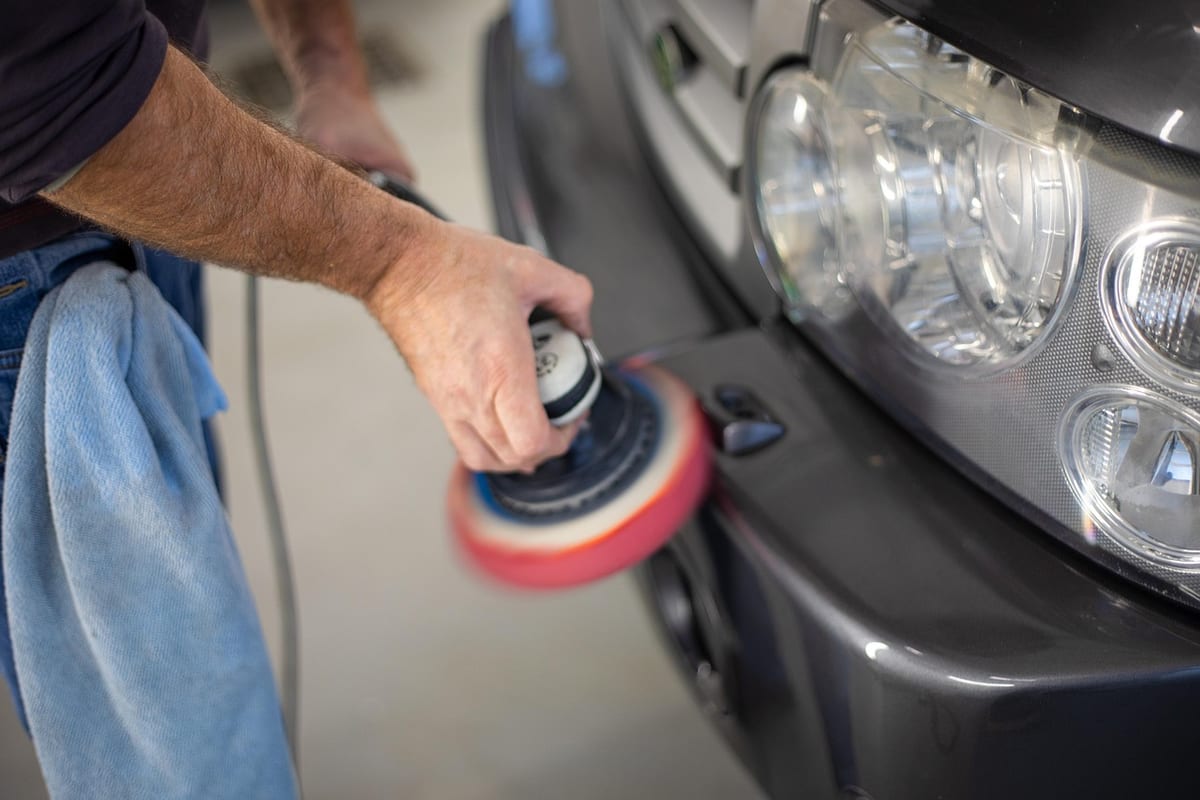
Most of the spread in detailing quotes isn't a shop being greedy. It's real variables that nobody explains to you. A coupe has less glass than a three-row SUV. A truck hood is a bigger PPF panel than a hatchback's. Ceramic film costs multiples of dyed film because it blocks heat instead of just going dark. A two-step correction is genuinely two passes of a machine over every panel of your car.
Once you can see those variables, a $2,000 ceramic quote stops being a mystery and becomes a claim you can check. Sometimes it's high. Sometimes it's exactly right and the shop is doing more than you realized. Either way you get to know which.
Where the numbers come from
Published prices from shops across different regions, manufacturer spec sheets, and, where the law is the thing that decides your options, the statute itself. Every hub lists its sources at the bottom and carries the date it was last reviewed. A stale number is a wrong number, so the date is public and it gets checked.
Where a range is wide, we say why it's wide instead of splitting the difference to look precise. False precision on a price is just a different way of lying.
DIY gets a straight answer too
Not everything here is worth paying for. Foggy headlights are a weekend, a kit, and about thirty dollars. A full front-end PPF wrap is not, unless you enjoy expensive mistakes. Each page gives the real DIY cost against the pro cost, the hours, the skill it takes, and what can go wrong, and then it tells you which one we'd pick. Sometimes that answer costs us a commission. It's still the answer.
Who publishes this
Detailing Cost is published as a brand, not under a personal byline. What makes a cost reference trustworthy is whether the numbers hold up, not whose name is on them. The sources are listed, the dates are on the page, and the calculators show their working.
Spot something off? A quote wildly outside our range, a price that's gone stale, a shop owner who wants to set a number straight? Tell us. That's how the data gets better.